
I completed my MD/PhD degree in the Hancock Lab with Dr. Robert EW Hancock at the University of British Columbia. My thesis leveraged gene expression (RNA-Seq) analyses to understand the pathophysiology of extreme immune dysregulation in lethal diseases such as sepsis and COVID-19. I found that severe COVID-19 and sepsis have surprisingly similar underlying gene expression changes, temporal transcriptomic patterns are linked to eventual prognosis, transcriptomic subtypes of COVID-19 can guide personalized therapy, and specific transcriptomic markers can identify patients who eventually develop “Long COVID”. In the pediatric world, I found a predictive gene signature that can determine which newborns may ultimately develop neonatal sepsis while they are still asymptomatic. I also co-developed a data visualization tool for gene expression analyses called PathlinkR that easily creates publication-ready figures.
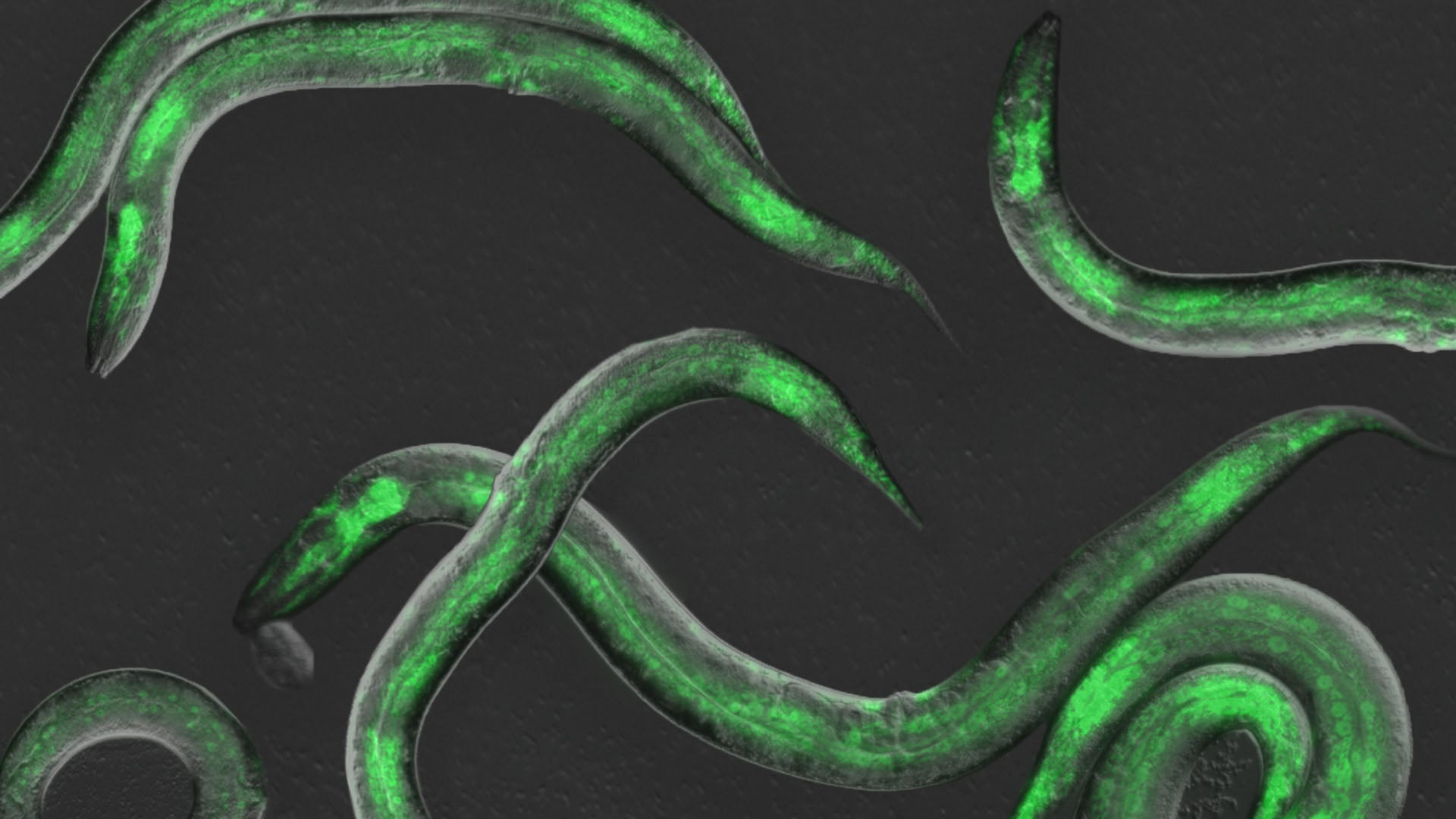
During my undergrad, I worked in the Taubert Lab at the Centre for Molecular Medicine and Therapeutics where I studied transcriptional regulation of genes involved in cancer survival and Parkinson’s disease through the model organism C. elegans.
Publications
An AY, Baghela A, Zhang P, Blimkie T, Gauthier J, Kaufmann D, Acton E, Lee AHY, Levesque RC, Hancock REW. 2025. Longitudinal gene expression analysis in COVID-19 sepsis highlights dynamic immune, cellular, and metabolic dysfunction in high severity patients. Scientific Reports. Link
Wang Z, Amenyogbe N, … An AY, … Hancock REW, Lee AHY, Levy O, Kollmann TR, Martino D. Higher Promoter Methylation of the Ubiquitin-Associated and SH3 Domain Containing A (UBASH3A) Gene Is Associated With T-Lymphocyte Ontogeny and Reduced Susceptibility to Early-Onset Sepsis. 2025. The Journal of Infectious Diseases. Link
Hancock REW, An AY, dos Santos CC, Lee AHY. Deciphering sepsis: transforming diagnosis and treatment through systems immunology. Frontiers in Science. Link
An AY, Acton E, Idoko O, Shannon C, Blimkie T, … Hancock REW, Lee AHY. 2024. Predictive gene expression signature diagnoses neonatal sepsis before clinical presentation. eBioMedicine. Link
Martino D, Kresoje N, Amenyogbe N, Ben-Othman R, Cai B, Lo M, Idoko O, Odumade O, Falsafi R, Blimkie T, An AY, … Hancock REW, Lee AHY, Kollmann T. 2024. DNA Methylation signatures underpinning blood neutrophil to lymphocyte ratio during first week of human life. Nature Communications. Link
Blimkie T, An AY, Hancock REW. 2024. Facilitating pathway and network based analysis of RNA-Seq data with pathlinkR. PLoS Computational Biology. Link
An AY, Baghela A, Zhang P, Falsafi R, Lee AH, Trahtemberg U, Baker AJ, Dos Santos CC, Hancock REW. 2023. Persistence is key: unresolved immune dysfunction is lethal in both COVID-19 and non-COVID-19 sepsis. Frontiers in Immunology. Link
An AY, Baghela A, Zhang P, Blimkie TM, Gauthier J, Kaufmann DE, Acton E, Lee AHY, Levesque RC, Hancock REW. 2023. Post-COVID symptoms are associated with endotypes reflecting poor inflammatory and hemostatic modulation. Frontiers in Immunology. Link
An AY, Baghela A, Zhang P, Falsafi R, Lee AH, Trahtemberg U, Baker AJ, Dos Santos CC, Hancock REW. 2023. Severe COVID-19 and non-COVID-19 severe sepsis converge transcriptionally after a week in the intensive care unit, indicating common disease mechanisms. Frontiers in Immunology. Link
Baghela A, An AY, Zhang P, Acton E, Gauthier J, Brunet-Ratnasingham E, …, Hancock REW. 2023. Predicting severity in COVID-19 disease using sepsis blood gene expression signatures. Scientific Reports. Link
Baghela A, Pena OM, Lee AH, Baquir B, Falsafi R, An AY, … Hancock REW. 2022. Predicting sepsis severity at first clinical presentation: The role of endotypes and mechanistic signatures. eBioMedicine. Link
Alford MA, Baquir B, An AY, Choi K-YG, Hancock REW. 2021. NtrBC selectively regulates host-pathogen interactions, virulence, and ciprofloxacin susceptibility of Pseudomonas aeruginosa. Frontiers in Cellular and Infection Microbiology. Link
An AY, Choi K-YG, Baghela A, Hancock REW. 2021. An overview of biological and computational methods for designing mechanism-informed anti-biofilm agents. Frontiers in Microbiology. Link
Baquir B, An AY, Lee AHY, Hancock REW. 2021. Chapter 1 – Human-induced pluripotent stem cell–derived macrophages for studying infection biology and immunology. In: Birbrair A, editor. Current Progress in iPSC-derived Cell Types. Advances in Stem Cell Biology Vol 10. Academic Press; p. 1–22. Link
Van der Slikke EC, An AY, Hancock REW, Bouma HR. 2020. Exploring the pathophysiology of post-sepsis syndrome to identify therapeutic opportunities. EBioMedicine. Link
Jan A, Jansonius B, Delaidelli A, Bhanshali F, An AY, … Taubert S, Sorensen PH. 2018. Activity of translation regulator eukaryotic elongation factor-2 kinase is increased in Parkinson disease brain and its inhibition reduces alpha synuclein toxicity. Acta Neuropathologica Communications. Link
Other Work
An AY. 2024. The Clinical Implications of the Connection between COVID-19 and Sepsis. The Centre for Blood Research. Link to blog post
An AY. 2022. Sepsis: the end is just the beginning. Canadian Blood Services. Link to the blog post
An AY. 2022. Series 2, Episode 3 – Andy An – Post Sepsis Syndrome. Action on Sepsis Podcast. Link to the podcast
An AY. 2021. Identifying Mechanisms of Persistent Immune Dysfunction in Sepsis Survivors. UBC 3 Minute Thesis Finalist. Link to the video
Research Highlights
A post from CIHR outlining my work in neonatal sepsis (link)
A post from UBC outlining my work in neonatal sepsis (link)